B2B - Enterprise - Fintech - 2024/25
Redesigning how tax teams plan and collaborate
A sustained redesign of EY's internal project management platform, diagnosing what was going wrong, building the infrastructure for better decisions, and shipping a continuous stream of improvements that moved the needle on NPS.
The challenge
The workflow management platform had accumulated features over time, but usability had never really been the priority. For smaller teams with tighter scopes, that was fine. But as commercial started pitching to larger departments with more complex project structures, adoption became a real problem. I was brought in to fix that, working closely with commercial to understand how those teams actually worked, and to build a clearer picture of what the product needed to become.
Rather than going straight into redesign mode, I spent time properly understanding what was going wrong. I interviewed sales reps, reviewed past research, ran a heuristic evaluation across the most common user journeys, and mapped the competitor landscape. The goal was to identify the real bottlenecks before making any design decisions.
Few things the research highlighted
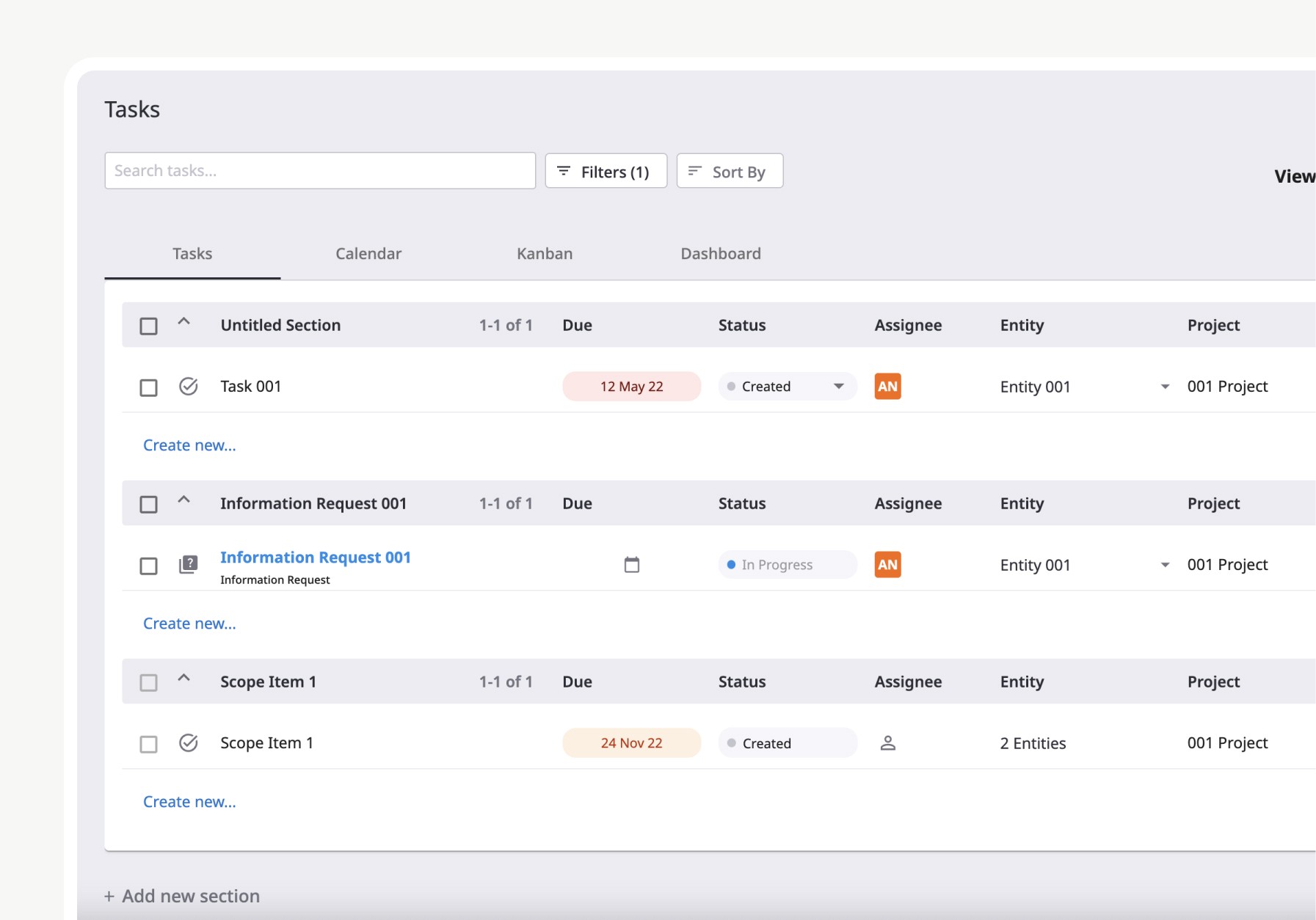
Populating and maintaining the table was so painful that users had developed a workaround: uploading an Excel sheet to avoid interacting with it directly
The default data structure couldn't accommodate the variety of team processes and the different ways different teams work
Specific Excel behaviours were hard to give up, particularly the ability to filter and slice data quickly and freely
Teams had built workarounds for recurring tasks, a sign that a common need had been left unaddressed
Even when teams successfully populated the board, they were still exporting to Excel to summarise and analyse — the product wasn't the place they came to think
Several features users asked for already existed but were buried — a discoverability problem as much as a capability one

Building the infrastructure for better decisions
The diagnosis made clear that insights were being collected across the business, through sales calls, customer success, research sessions, but none of it was accessible in a way teams could actually use. I co-initiated a centralised insights repository that gave design, product, sales, and research a shared place to log and categorise what they were hearing, making it easier to spot trends and build the case for roadmap prioritisation.


Influencing the roadmap
Once I had a clear picture of where the experience was breaking down, I mapped pain points into themes and used that to actively shape the roadmap — in 1-to-1s with people from sales and growth, and in the wider weekly sessions where decisions were socialised. I pushed for phased solutions wherever possible, so improvements could ship incrementally rather than wait for a big release.


A continuous stream of improvements
This wasn't a single project with a launch date — it was a sustained effort over the better part of a year to systematically improve the experience. The cumulative effect showed up in the feedback: commercial teams reported positive responses from key clients, and NPS sentiment across the product area improved significantly.
Few of the enhancements delivered
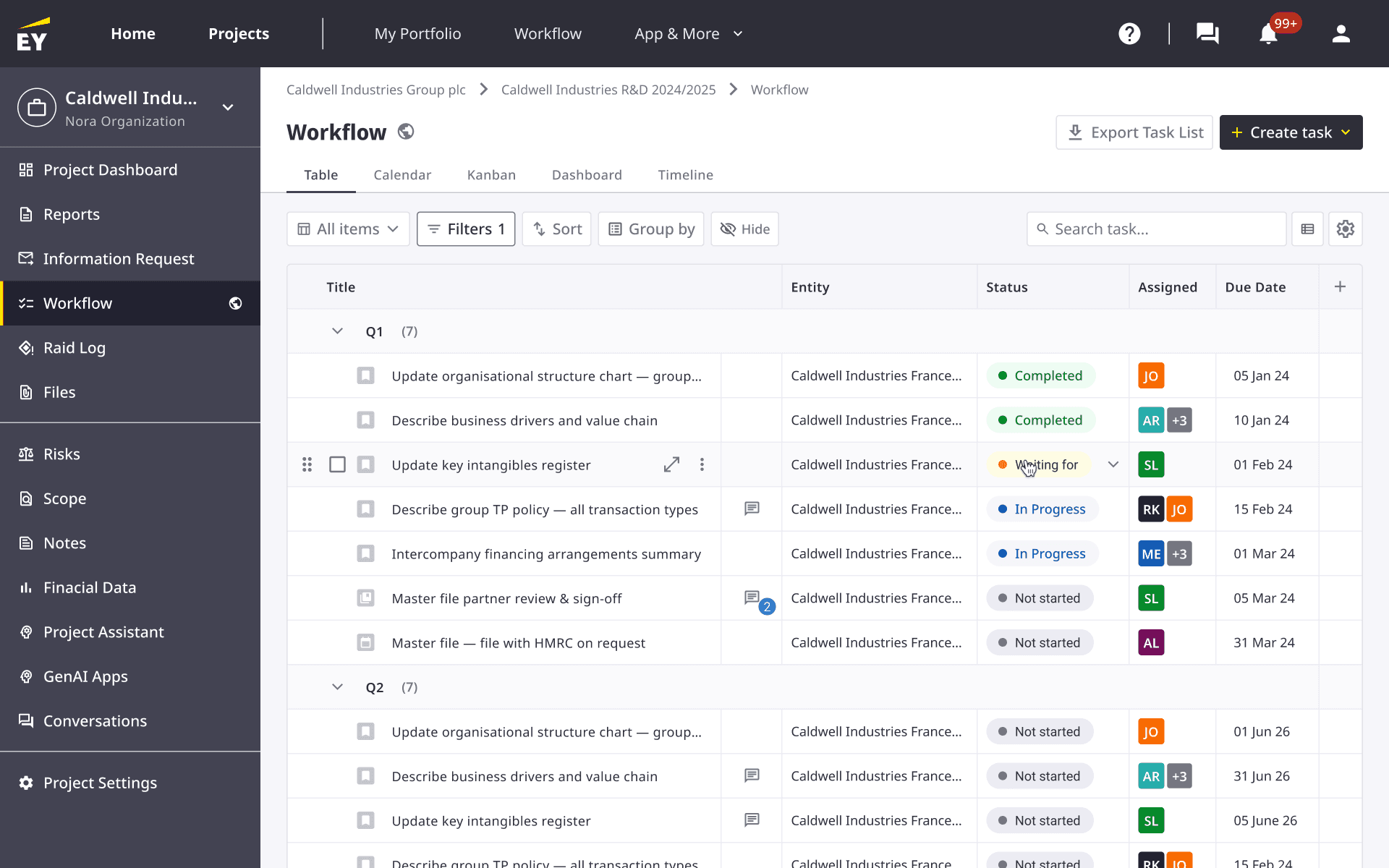
Rebuilt task creation and editing directly within the table view, significantly reducing the manual effort required to keep data current
Redesigned the overall layout and table view to reduce cognitive overload, improve learnability, and create an interface that felt more familiar — particularly for first-time users on smaller screens
Introduced flexible table customisation — including custom columns — so teams could tailor the board to their own processes rather than working around a fixed structure
Shipped a Group by feature that let users slice and dice their data and surface key stats like overdue and pending items across multiple clients at a glance
Introduced date automation to propagate start and due dates across linked tasks, cutting down the time spent manually populating project timelines


Impact
Commercial successfully closed deals with large-scale engagements that previously hadn't been viable — the redesign gave them a credible product to pitch
Adoption increased as the experience became easier to justify over Excel
Qualitative feedback from clients turned measurably more positive, with commercial teams directly attributing improved reception to the product changes
NPS improved steadily across the product area over the course of the engagement
Interested in the full case study?
Let's grab a chat.